Curious what your Mandeville home is really worth? With lakefront premiums, elevation and flood insurance, and distinct neighborhood vibes, pricing here is not one-size-fits-all. You want a number you can trust, whether you are planning to sell or just keeping tabs on your equity. In this guide, you will learn how value is set in Mandeville, which factors move the needle most, and the exact steps to get a reliable estimate. Let’s dive in.
What drives value in Mandeville
Location micro-markets
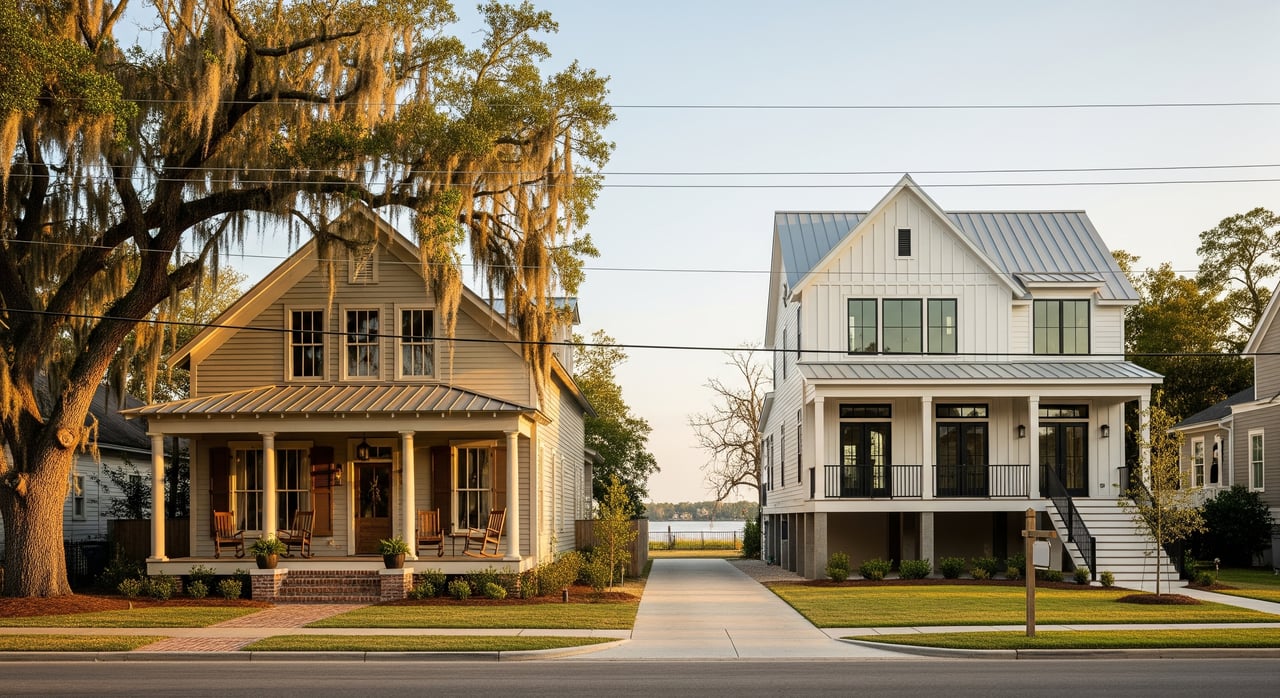
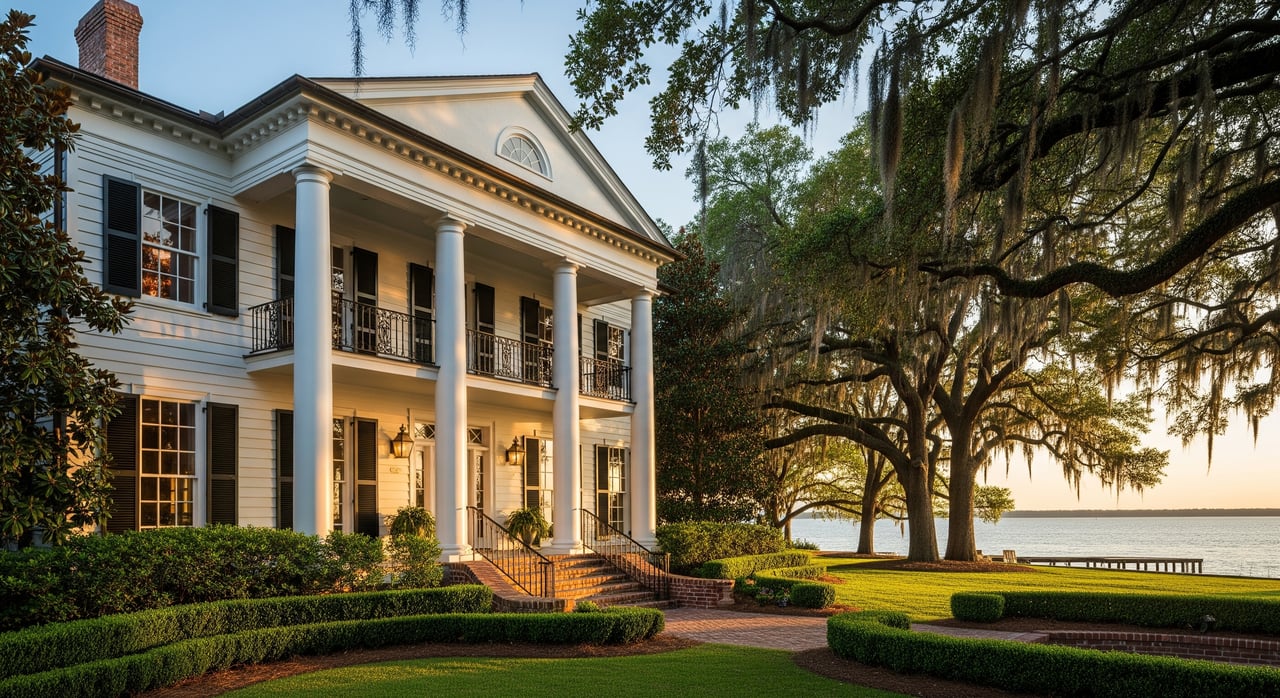
Mandeville is a market of micro-markets. Homes on or near Lake Pontchartrain can command a premium for views, shoreline access, and docks. Old Mandeville’s walkable streets and historic character trade differently than newer subdivisions farther inland. Proximity to the Lake Pontchartrain Causeway and I-12 can boost demand if many buyers in your price range commute toward New Orleans. School zones can influence buyer interest, so compare within your immediate area when selecting comps.
Flood risk and elevation
Flood risk is a major pricing factor. FEMA flood zone designation, elevation, and any elevation certificate directly affect insurability and buyers’ long-term costs. In a hurricane-prone region, higher elevation and documented mitigation can make a home more attractive. Homes with lower elevation or prior flood-related repairs may face a smaller buyer pool and longer time on market.
Inventory and demand
The balance of inventory and buyer demand sets the tone. When similar homes are scarce, prices firm up and days on market shorten. When there are many competing listings, you may need sharper pricing or strategic improvements to stand out. New construction and lot availability in parts of St. Tammany can also set price ceilings for nearby resales.
Commute and lifestyle factors
Mandeville’s demand often ties to access to the Causeway, nearby services, and Northshore lifestyle amenities. Buyers value convenience to jobs, retail, and outdoor recreation. These features are baked into comps and should be weighed when you compare homes across different parts of town.
How to get a reliable number
Start with a CMA
A Comparative Market Analysis is your best first step. Pull 3 to 6 closed sales from the last 3 months in your same neighborhood or school zone, plus a few active and pending listings to understand current competition. Adjust for square footage, lot quality, lake proximity, age, bed and bath count, renovation level, and flood-related differences. For your final value anchor, lean on closed sales.
Key metrics to review:
- Price per square foot for each comp and the range
- Days on market (median and average)
- List-to-sale price ratio
- Months’ supply of inventory for your segment
Use AVMs as a cross-check
Automated Valuation Models can offer a quick ballpark, but they often miss Mandeville’s big variables like lakefront premiums, lot quality, elevation, and finish level. Treat them as a starting point. Cross-check with your CMA and property specifics before you shape expectations.
When to order an appraisal
A licensed appraisal provides a formal, lender-accepted value. This is useful for refinance, divorce, estate matters, or when you need a documented opinion. It costs more than a CMA and reflects market conditions on the appraisal date.
BPOs and tax assessments
A broker price opinion is a professional estimate that is typically more nuanced than an AVM and less expensive than an appraisal. Assessed values from the St. Tammany Parish Assessor offer useful context and parcel details, but they are not market value. Rely on recent local sales for pricing decisions.
Adjust for property specifics
Structural and systems updates
In a hurricane-prone area, a recent roof with proper wind rating, impact-rated windows, and up-to-date HVAC and electrical can increase buyer confidence. Document ages, permits, and any wind mitigation inspections. Evidence of settling, termite history, or moisture issues can pull value down and should be disclosed.
Lakefront features and permits
For lakefront properties, docks, bulkheads, and shoreline improvements matter. Buyers will price in current condition and long-term upkeep. Confirm permits where applicable so buyers feel confident about compliance.
Historic character and HOA rules
Old Mandeville homes can earn premiums for character and walkability. If a home has a historic designation, be aware that renovation restrictions may apply. In subdivisions, HOA fees, covenants, and any marina or neighborhood rules can influence the buyer pool and must be disclosed.
Utilities and lot features
Connection to municipal sewer is often preferred to septic. Lot size, privacy, mature trees, and outdoor living areas help marketability. Larger lots and well-kept landscaping often draw more interest.
Insurance and disclosure essentials
Flood insurance and maps
Many Mandeville properties are in FEMA-designated flood zones. Lenders may require flood insurance through the NFIP or private carriers. Premiums vary by zone and elevation certificate, so obtain accurate flood data and be ready to share it with buyers.
Wind coverage and roofs
Wind and hail coverage costs impact overall affordability for buyers. A newer, wind-rated roof and documented improvements can reduce uncertainty and support your price.
Permits, title, and Louisiana rules
Louisiana has unique title and community property laws that can affect closing. Confirm permits for additions, docks, pools, and major remodels. Unpermitted work can slow a sale or trigger price adjustments. Local title companies and attorneys help ensure clean title and a smooth closing.
Pricing and timing strategies
Price to the market
Set a list price supported by recent closed comps. If the market is competitive and inventory is tight, pricing slightly under the perceived market can generate multiple offers and a faster timeline. Pricing too high risks extended days on market and eventual reductions.
Watch rates and seasonality
Interest rates influence buyer affordability. When rates rise, you may need more competitive pricing or seller concessions. Many markets see stronger activity in spring and early summer, but always read current local trends for your segment before timing a listing.
Read DOM and absorption
Days on market and months’ supply indicate your leverage. Under one to two months of supply in your niche suggests a faster sale. Longer supply points to more competition and a need for sharper pricing or value-add updates.
Homeowner checklist
Use this quick plan to build a defensible estimate and prepare for market.
- Gather records
- Recent tax bill, assessor parcel number, and lot dimensions
- Legal description, deed history, and any recorded easements
- Build your comp set
- 3 to 6 closed sales in your immediate area from the last 3 months if possible
- A few active and pending listings to gauge competition and momentum
- Note price per square foot and adjust for lot quality, lake proximity, and updates
- Document condition and upgrades
- Roof, HVAC, windows, electrical, and plumbing ages
- Kitchen and bath remodel dates, permits, and any past appraisals or inspections
- Flood and title documents
- Flood zone letter and elevation certificate if available
- Summary of flood or insurance claims history if known
- Any title exceptions noted by prior closing documents
- Choose your valuation path
- Quick estimate: AVM plus 1 or 2 nearby closed comps
- Most practical: a locally informed broker CMA
- Formal evidence: licensed appraisal
- Prepare for the market
- Address deferred maintenance, moisture, and roof issues first
- Consider light cosmetic updates and staging for photos
- Create a one-page improvements list to share with buyers
What to request from your agent
Ask for a concise data packet so you can price with confidence.
- Closed comps from the last 3 months in your neighborhood or school zone
- Price per square foot range for those comps
- Median sale price trend for your area over the last 6 to 12 months
- Days on market, list-to-sale price ratio, and months’ supply of inventory
- A notes section on lot differences, elevation, flood zone, and any lakefront premiums
Next steps
If you want a clear, local number, start with a rock-solid CMA that reflects lakefront premiums, flood considerations, and neighborhood-specific trends. Then shape a pricing strategy that matches today’s inventory and buyer demand. For a focused review of your home and a data-backed CMA, reach out to Spencer Rossie. Let’s Connect.
FAQs
How much is my Mandeville home worth right now?
- The most accurate quick methods are a local CMA or a licensed appraisal, with AVMs as a ballpark; gather 3 to 6 recent closed sales in your immediate area to anchor the number.
Do FEMA flood zones reduce sale price in Mandeville?
- Flood designation and related insurance costs can narrow the buyer pool and lower price or slow marketability, though elevation certificates and mitigation measures can help.
Should I make repairs before selling in Mandeville?
- Fix structural, moisture, roofing, and safety issues first; kitchen and bath updates often help, but confirm ROI for your price tier with a local CMA.
What is the fastest way to get a market value?
- Request a Comparative Market Analysis from a local agent who knows Mandeville’s micro-markets; order a licensed appraisal if you need lender-accepted documentation.
How do lakefront features affect value?
- Docks, seawalls, view, and direct access can materially increase value, but buyers price in condition, maintenance, permitting, and insurance over the long term.