Thinking about fixing up your Lakeview home before you sell, or listing it as-is and moving on? It is a big decision that affects your time, money, and stress level. You want a clear path that fits Lakeview’s market, flood realities, and what buyers here value. This guide gives you a simple value checklist, local considerations, and practical next steps so you can choose with confidence. Let’s dive in.
Lakeview market reality
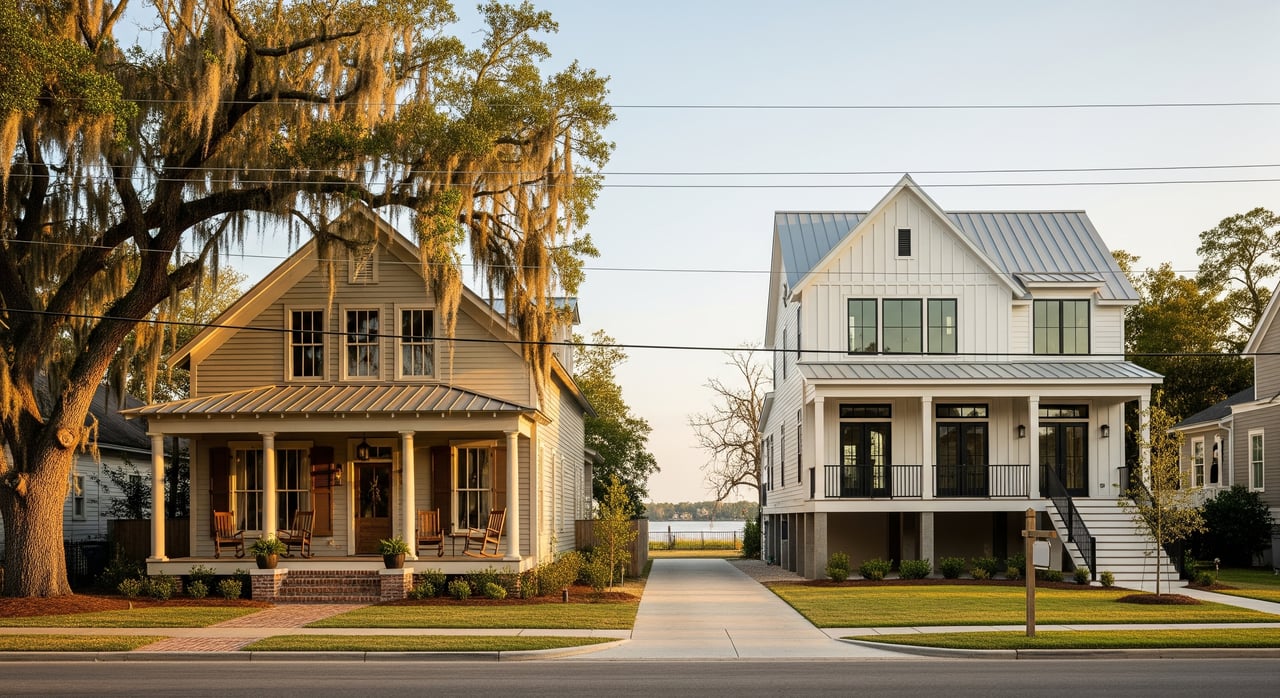
Lakeview is known for single-family homes, many built in the mid-20th century, with nearby parks and neighborhood schools. Buyers in this area tend to look closely at roof age, mechanical systems, and curb appeal, along with resilient features that address flood risk. Renovated homes often attract more attention, but the right price and documentation can make an as-is sale competitive too.
A current comparative market analysis for your specific block and home style is essential. It helps you see the likely list price today and after updates. Ask a local agent to prepare a Lakeview-specific CMA so you are comparing real numbers, not guesses.
Condition and risk check
Before you price updates or decide to sell as-is, get a clear picture of your home’s condition.
Structure and systems
- Roof condition, age, and any active leaks.
- Foundation or framing concerns, settlement, or moisture issues.
- HVAC, electrical, and plumbing function and age.
- Signs of mold or past water intrusion and what was repaired.
Flood history and documentation
- Prior flood events and the scope of repairs.
- Permits, invoices, photos, and warranties for past work.
- Elevation certificate if available, plus any mitigation improvements.
Transparent records build buyer confidence and help justify price.
Flood risk and resilience
Flood risk is a key factor in Lakeview. Parts of the neighborhood fall within FEMA-designated flood zones, which can influence insurance requirements and premiums.
Elevation and insurance
- Check your FEMA flood zone and whether an elevation certificate exists.
- If the home is in a Special Flood Hazard Area, lenders typically require flood insurance.
- Mitigation that reduces risk may help with premiums. Verify details with an insurance agent.
Mitigation that adds value
- Raise utilities and electrical panels above base flood elevation.
- Consider flood-resistant materials for lower levels.
- Install backflow preventers or flood vents if appropriate.
- Keep documentation on mitigation to share with buyers.
Project scope and ROI
Not every project pays back the same. Focus on work that Lakeview buyers value and that appraisers and underwriters recognize.
High-value updates in Lakeview
- Functional kitchen remodels with modern layouts.
- Bathroom updates with quality fixtures and proper ventilation.
- Curb appeal: exterior paint, landscaping, front entry refresh.
- Roof replacement when aged or damaged.
- Mechanical upgrades: HVAC, electrical, and plumbing.
- Resilience: raising HVAC or panels and other local mitigation.
Avoid overspending
- Ultra-custom finishes rarely recoup their cost in mid-market contexts.
- Over-personalized choices can narrow your buyer pool.
Permits and codes
- Confirm permit requirements with the City’s Department of Safety and Permits for electrical, plumbing, structural changes, and roofing.
- Verify if your property falls under Historic District Landmarks Commission oversight for exterior changes.
- Keep permits, approvals, and contractor credentials on file.
Timing and carrying costs
Time is money. Build a realistic schedule and budget for the months you will hold the property.
- Renovation timeline plus permit processing and inspection windows.
- Monthly mortgage interest, insurance, property taxes, and utilities during the project.
- Temporary housing if you need to move out.
- Market risk if conditions shift before you list.
Financing and taxes
Choose financing that matches your cash needs and timeline, and track potential tax effects.
- Cash, home equity loan or HELOC, cash-out refinance.
- Renovation loans such as FHA 203(k) or Fannie Mae HomeStyle, subject to lender rules.
- Keep invoices and permits since capital improvements can increase your cost basis.
- Ask a CPA about the primary residence exclusion and how your numbers may apply.
Exit strategies to compare
There is more than one workable path. Match your choice to your goals, cash, and time.
Sell as-is
- Fastest exit with fewer upfront costs.
- Expect pricing to reflect buyer risk and renovation budgets.
Light refresh
- Focus on repairs, paint, fixtures, landscaping, and simple updates.
- Often improves photos, traffic, and appraisal results with modest spend.
Full renovation
- Larger budget and longer timeline.
- Can widen the buyer pool and support a higher price if aligned with local comps.
Hold and rent
- Consider if rental demand and your financing make sense.
- Factor in flood insurance, ongoing maintenance, and landlord obligations.
Your Lakeview value checklist
Use these steps to compare your net proceeds for renovate vs. sell-as-is. Keep your estimates honest and based on local bids and comps.
- Gather baseline numbers
- Current mortgage payoff and monthly costs.
- Property taxes, homeowner insurance, and if applicable, flood insurance.
- Utility averages for current occupancy.
- Lakeview comps for similar homes in as-is and renovated condition. Request a CMA.
- Price the renovation
- Get at least three written bids from licensed local contractors.
- Include permits, design fees if needed, and a 10 to 20 percent contingency.
- Add carrying costs for the full timeline you expect.
- Estimate After-Repair Value (ARV)
- Use Lakeview comps for similar size, age, features, and renovation level.
- Confirm with your agent that your planned scope aligns with those comps.
- Calculate net proceeds if you renovate
- Net after renovating = ARV − (mortgage payoff + renovation cost + carrying costs during project + seller closing costs).
- Calculate net proceeds if you sell now
- Net selling as-is = expected list price now − (mortgage payoff + seller closing costs).
- Compare outcomes and risk
- Weigh the difference in net proceeds against added time, stress, and market risk.
- Consider the certainty of an as-is sale versus the potential upside of renovating.
What to gather before you list
- CMA with both as-is and post-renovation pricing.
- Home inspection report that covers roof, foundation, HVAC, electrical, plumbing, and any moisture or mold signs.
- Elevation certificate and flood history disclosures, if applicable.
- Permits, final inspections, and contractor invoices for past or planned work.
- Warranties for systems and appliances.
- Recent utility bills and insurance premiums to help buyers assess ongoing costs.
Your next steps
- Get a Lakeview CMA that models both options and sets realistic pricing.
- Order a pre-listing inspection and, if flood risk is unknown, obtain an elevation certificate.
- Collect three contractor bids for any planned work and finalize your scope.
- Review renovation loan options or equity lines if you plan to improve before selling.
- Choose your path and timeline, then prepare your listing plan.
If you want a local, numbers-first plan that fits Lakeview’s realities, reach out to Spencer Rossie. Let’s connect and map your best move.
FAQs
Will renovating always pay off in Lakeview?
- Not always. The decision depends on Lakeview comps, total project cost, timeline, and carrying costs compared with the likely as-is sale price.
Which home projects add the most value in Lakeview?
- Prioritize roof, HVAC, electrical, plumbing, and moisture fixes, then focus on kitchens, baths, curb appeal, and resilience upgrades like elevating utilities.
Do I need to disclose past flooding or repairs when selling?
- Yes. Full and accurate disclosure plus permits, invoices, photos, and warranties help buyers validate repairs and can support pricing.
Can I sell my Lakeview home as-is to an investor?
- Yes. Investors and cash buyers purchase as-is, but offers typically reflect renovation costs and risk, which often means a lower price.
How long do typical renovations take before listing?
- Cosmetic updates may take weeks, while major or full-home projects can stretch to months; add extra time for permitting and unexpected issues.