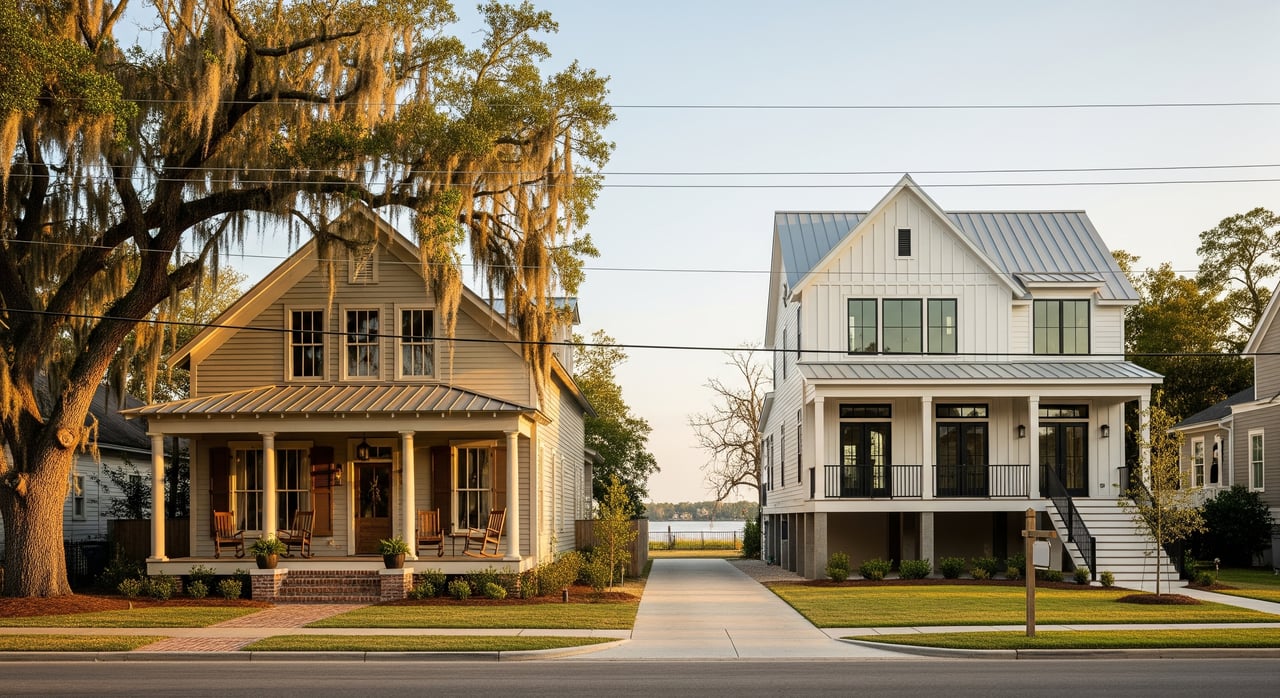
Deciding between a brand-new build and a lived-in home can feel like two very different paths. You want the right fit for your budget, timing, and peace of mind, especially in a waterfront town like Madisonville. In this guide, you’ll learn how costs, flood and wind risks, financing, timelines, and resale value compare in St. Tammany Parish. Let’s dive in.
Madisonville market context
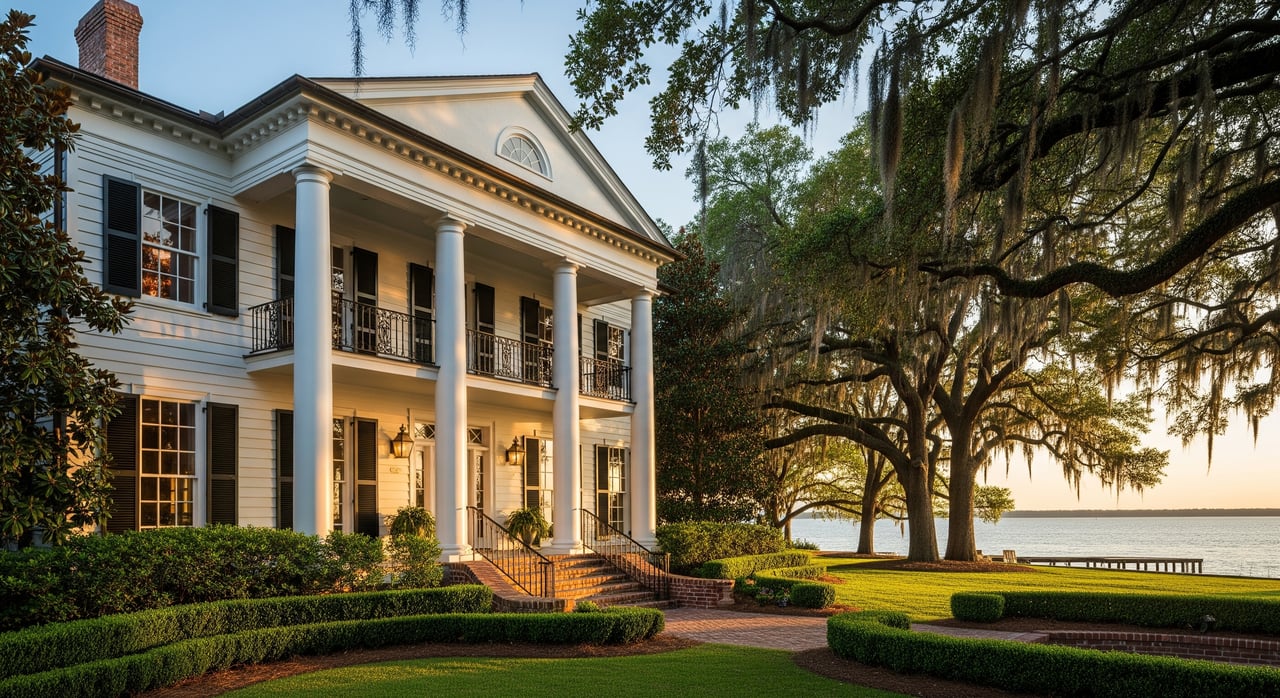
Madisonville sits on the north shore of Lake Pontchartrain where the Tchefuncte River meets the lake. You’ll find older homes near the riverfront and downtown, and newer subdivisions as you move outward. That mix creates choices on style and age, and it also changes risk profiles, especially around flooding.
St. Tammany Parish oversees permitting and floodplain rules, while Louisiana enforces state building codes. Local builders must carry proper state licenses. These layers affect costs, timelines, and how new homes are built to handle wind and water.
Cost comparison
New construction costs
- Lot purchase, which can be higher for waterfront or elevated parcels.
- Site work such as clearing, fill, grading, and drainage.
- Elevated foundations or pilings to meet finished-floor elevation in flood-prone areas.
- Utility connections and potential impact or extension fees.
- Driveways, landscaping, and fences that may not be in the base price.
- Upgrades and change orders beyond standard allowances.
Resale costs
- Purchase price plus near-term repairs like roof, HVAC, windows, or termite treatment.
- Possible deferred maintenance issues with older wiring, plumbing, or slabs.
- Renovations to match your layout and finish preferences.
Operating costs in St. Tammany
Energy and utilities
Newer homes typically include better insulation, tighter building envelopes, and modern HVAC. That can lower monthly utilities compared to many older homes.
Insurance
Flood and wind coverage depend on elevation, location, and mitigation features. New homes built to current codes may qualify for wind credits, while elevated homes can help manage flood premiums. Always compare quotes based on the specific property.
Property taxes
St. Tammany Parish assesses taxes based on value. New construction is reassessed upon completion, which can increase your tax bill. For resales, review current assessments and any changes after improvements.
Flood and site risks
Flood risk is a key variable in Madisonville. You should confirm the flood zone, finished-floor elevation, and the presence of an Elevation Certificate for any property you consider. Elevated foundations or pilings are common solutions near the lake and river but add build cost.
Hurricanes and wind are also part of the equation. Newer construction includes modern wind-resistance features, such as enhanced strapping and impact-rated openings in some cases. These measures can reduce damage risk and may help with insurance pricing.
Drainage and soils matter, too. Some parcels need soil improvement or fill. Utilities vary by area, with some homes on municipal sewer and others on septic. If septic is present, factor in maintenance and inspection. Louisiana’s warm, humid climate also means proactive pest control and moisture management are important for both new and existing homes.
Financing options
New construction financing
Construction-to-permanent loans or two-close structures are common. Lenders underwrite your credit, the builder’s qualifications, and the projected finished value. Funds are typically released in draws tied to inspection milestones. Some FHA and VA programs allow one-time close construction options, but they require additional documentation and program-specific steps.
Resale financing
Standard mortgages are straightforward for most resales and usually close faster. If the home needs work, options like rehab loans can finance improvements, though they add steps to underwriting and timeline.
Builder incentives
Many builders offer rate buydowns, closing cost help, or upgrade credits. Always get itemized specs, allowances, and incentives in writing to keep your total cost visible and predictable.
Timeline and inspections
Typical timelines
New construction often runs several months to a year from contract to completion, depending on lot conditions, permitting, weather, and builder backlog. Resale transactions typically close in 30 to 60 days with financing.
Inspections and quality
For new builds, schedule independent inspections at key stages: pre-pour foundation, pre-drywall, and final. For resales, order a full home inspection and a termite inspection, and consider HVAC and sewer scope evaluations.
Warranties and protections
Most new homes include tiered warranties that commonly cover workmanship, systems, and major structural components for defined periods. Make sure you understand coverage and claim procedures. On resales, lean on required seller disclosures and your inspections to reduce surprises.
Resale value and liquidity
Location near the river or downtown, lot elevation, flood mitigation, quality construction, and energy efficiency all influence future value. New builds often command a premium for modern design and performance, but over-customizing can narrow your future buyer pool. Older homes with strong maintenance records and lower flood exposure can compete well, especially in desirable areas.
Which fits your goals?
- You want efficiency, modern layouts, and current codes: New construction can be a good match, especially if timeline and site costs fit your plan.
- You want a quicker move and known condition: A resale with solid inspections and documentation can get you in faster.
- You prioritize location charm near the river or downtown: Resale inventory often leads the way, but confirm elevation and flood history.
- You want predictable insurance and strong wind mitigation: A newer build may offer targeted design features that help.
New construction checklist
- Verify the builder’s Louisiana license and ask for recent local references.
- Get a detailed contract, itemized specs, and written allowances and incentives.
- Confirm timeline, how delays are handled, and how change orders are priced.
- Schedule independent inspections at foundation, pre-drywall, and final.
- Confirm flood zone, finished-floor elevation, and whether an Elevation Certificate will be provided.
- Ask about utility availability, impact or connection fees, drainage plans, and HOA rules.
- Review warranty terms, coverage periods, exclusions, and claim steps.
- Discuss construction-to-permanent versus other financing early with a lender familiar with local new builds.
Resale buyer checklist
- Order a full home inspection and a termite inspection; consider HVAC and sewer scope tests.
- Request an Elevation Certificate if the property is in a flood zone; compare flood insurance estimates.
- Ask about any flood history, mitigation work, and prior insurance claims.
- Review property tax history and check for special assessments or liens.
- Budget for near-term maintenance or upgrades based on inspection findings.
Selling in Madisonville
- Compare resale values for renovated homes versus new-builds nearby.
- If selling a lot to a builder, seek multiple offers and verify proposed elevation and flood mitigation plans.
- If listing a home, organize documentation for repairs, elevation data, inspections, and any transferable warranties to build buyer confidence.
If you want a clear plan for your budget, insurance outlook, and timeline, let’s talk. With local experience across the Northshore and Southshore, Spencer Rossie can help you compare properties, confirm key risk factors, and move quickly from offer to close.
FAQs
What flood factors should Madisonville buyers check first?
- Verify the FEMA flood zone, request an Elevation Certificate, and confirm parish floodplain requirements for finished-floor elevation.
How long does a new build take in St. Tammany Parish?
- Many projects run several months to a year from contract to completion, depending on lot conditions, permitting, weather, and builder backlog.
Are insurance costs lower for new homes in Madisonville?
- Newer homes built to current codes and with mitigation features may qualify for wind credits, but final premiums depend on elevation, location, and coverage.
What financing works for fixer-upper purchases in Madisonville?
- Standard mortgages are common, and rehab loan options exist for updates, though they add underwriting steps and can extend timelines.
Do I need an independent inspector for new construction in Madisonville?
- Yes, schedule inspections at key stages to document quality and address issues early before closing.