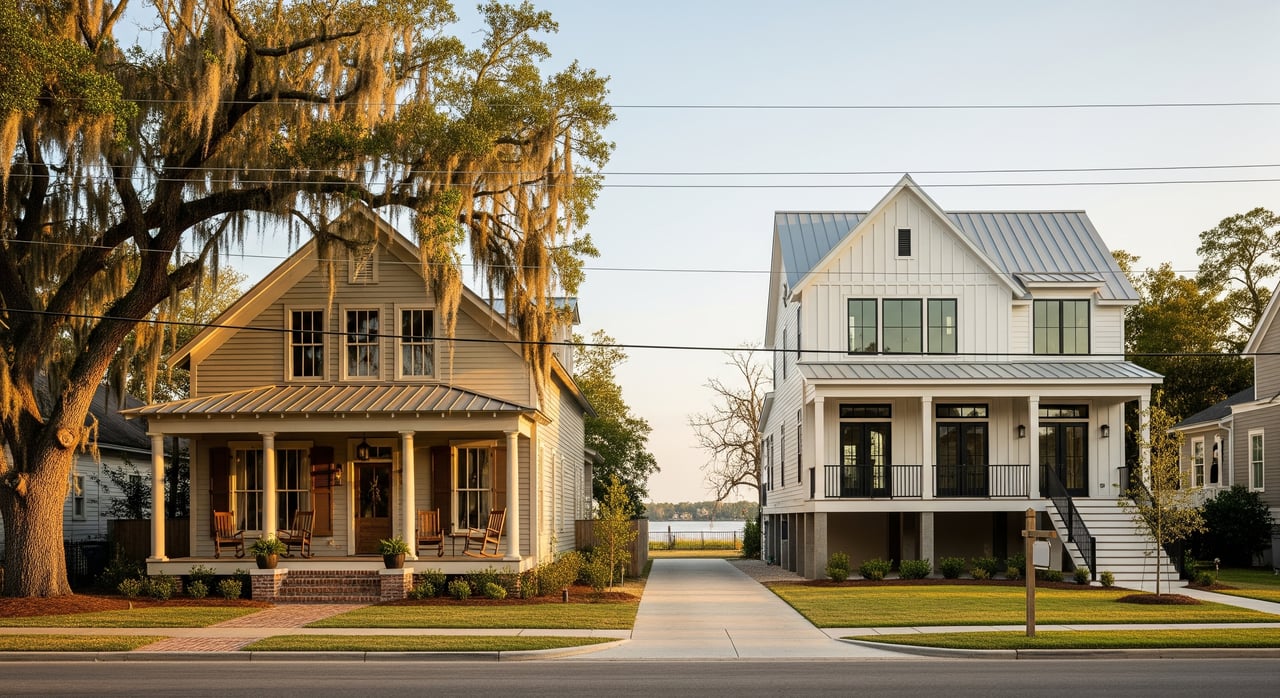
Should you price your Metairie home a little low to spark a bidding war, or go high to protect your bottom line? It depends on your micro-market, your home’s condition, and your timeline. If you live in Old Metairie, broader Metairie, or River Ridge, the buyer pool and risk factors can look very different just a few blocks apart. In this guide, you’ll learn how to pick a pricing approach that fits your property and today’s local conditions. Let’s dive in.
Pricing choice: list low vs price high
What listing low means
Listing low means intentionally setting your asking price below estimated market value to create urgency and multiple offers. You can benefit from more showings, faster momentum, and the chance to sell above list if competition forms. The tradeoff is clear: there is no guaranteed bidding war, and you risk selling below market if demand is softer than expected. Appraisal risk also goes up when offers stretch past recent comparable sales.
What pricing high means
Pricing high means listing at or above market value to capture full value and keep room to negotiate. It can work well for unique or significantly upgraded homes and for sellers who want a controlled timeline. The risk is longer days on market. If buyers perceive the price as out of range, you could face slow activity and eventual reductions.
How the micro-markets differ
Old Metairie: character homes, unique value
Old Metairie offers established streets and architecturally distinct homes. Buyers often seek character and proximity to New Orleans. If your home is turnkey and sits in a pocket with low inventory, a slightly low ask can draw strong attention. If your property is unique or has a large lot or standout renovations, a higher price can be justified with the right comps and marketing.
Metairie: varied product, balanced demand
Across Metairie you’ll find ranch homes, townhomes, and renovated properties. Buyer profiles range from move-up families to local retirees and commuters. Because product types and pricing bands vary, study the immediate block or subdivision data before choosing a strategy. A modest underprice can work for broadly appealing, move-in-ready homes. Pricing high can work for well-documented upgrades or superior locations if recent sales support your number.
River Ridge: price-sensitive segments
River Ridge often attracts first-time buyers and value-focused move-up buyers. These segments tend to be more price sensitive. Listing low can help widen the buyer pool if the home is clean and move-in-ready. Pricing high is riskier when nearby comps anchor value and affordability is tight.
Local risks that affect price strategy
Flood and insurance realities
In Jefferson Parish, flood zone designation and insurance costs affect buyer budgets and demand. Elevation, FEMA flood maps, and the availability and price of flood and windstorm insurance influence how far buyers can stretch. When premiums are higher, buyers may avoid appraisal gaps and prefer homes that fit comfortably within their monthly numbers. Plan your pricing with insurance costs in mind, and have elevation certificates or quotes ready when possible.
Appraisals and older housing stock
If your sale price moves much higher than nearby comps, an appraisal shortfall becomes more likely. This risk is sharper in areas with older homes where condition varies widely. When comps are scarce or dated, appraisers may lean on older sales that limit upside. If you expect above-list activity, prepare a plan for appraisal gaps before you go live.
Seasonality and timing
Hurricane season, school calendars, and local events can shift activity levels. Align your pricing and launch plan with expected showing patterns in your micro-market. Ask your agent for current MLS data on days on market and offer activity for similar homes in the last 30 to 90 days.
Use data to decide
Key metrics to track
- Days on market for active and sold listings nearby
- List-to-sale price ratios for recent closed comps
- Months of inventory in your micro-market
- Showings per week on comparable listings
- Price per square foot trends for your home type
- Frequency of price reductions around you
- Pending-to-active ratio to gauge demand
Qualitative signals to watch
- Buyer feedback and whether nearby listings get above-asking offers
- Current mortgage rate environment and its effect on affordability
- Local economic updates that could shift demand
- Insurance and flood-map updates that affect eligibility and costs
A simple decision framework
Favor listing low when inventory is tight, similar turnkey homes are drawing multiple offers, and your home appeals to a broad buyer pool. Favor pricing high when your home is unique or highly upgraded, you have time, and nearby comps support the premium. In both cases, set clear thresholds for showings, feedback, and price adjustments.
Execute your plan
Prep that helps both strategies
- Pre-list inspection or contractor estimate to reduce surprise credits
- Accurate neighborhood comps within 90 days when possible, adjusted for condition, lot, and elevation
- Professional photos, floor plan, and targeted marketing
- Organized disclosures: insurance history, elevation certificate if available, utility records, permits, and updates
- Thoughtful staging and curb appeal to support perceived value
Tactics if you list low
- Launch with a 7 to 14 day marketing surge: open houses, broker tours, and high-visibility online placement
- Consider an offer deadline if allowed by local rules to concentrate response
- Require strong pre-approval letters and use escalation clauses where appropriate
- Prepare for appraisal contingencies and consider an appraisal gap strategy if you are confident in the market
- If only one offer arrives, negotiate from a preset floor and be ready to adjust price quickly if activity is weak
Tactics if you price high
- Show your work: document improvements, unique features, lot size, and location premiums in remarks and agent materials
- Target marketing to buyers less sensitive to price, including relocators and investors
- Build negotiation flexibility with seller-paid concessions, inspection credits, or a temporary rate buydown before cutting list price
- Monitor showings and commit to staged, timely reductions if activity lags
Handle appraisal and mortgage risk
- For underpriced listings that draw above-list offers, set expectations: discuss appraisal waivers or gap coverage with your agent and counsel
- For higher-priced listings, prepare an appraisal package: improvements list, permits, system replacements, and the best supporting comps
Seller checklist
- Get a neighborhood CMA focused on the last 90 days and current pendings
- Review sale-to-list ratios and days-on-market trends on your block or subdivision
- Confirm flood zone, check elevation documentation, and understand potential insurance costs
- Define your ideal timeline and any contingency needs
- Consider a pre-inspection and cost estimates for repairs
- Understand property tax implications and homestead exemption details in Jefferson Parish
Smart questions for your agent
- What are months of inventory and current DOM for homes like mine nearby?
- How many showings and offers did similar listings see in their first two weeks?
- What price band thresholds will maximize my online visibility?
- How will you structure marketing, open houses, and broker outreach if we list low?
- What initial list price do you recommend and why? Please cite specific comps and adjustments.
- How will you manage appraisal risk, escalation clauses, and offer evaluation?
- If activity is slow, what is the timeline and size of price reductions you recommend?
- Can you share recent local examples of this strategy and the outcome?
Bottom line
There is no universal right answer. In Old Metairie, Metairie, and River Ridge, the best strategy depends on micro-market conditions, your home’s appeal, and your goals. Listing low can unlock speed and competition when demand is hot. Pricing high can protect value for unique homes when comps and marketing support the premium. Either way, you win by pairing accurate, up-to-date MLS data with a clear plan for offers, appraisals, and adjustments.
Ready to pick the strategy that fits your home and timeline? Reach out to Spencer Rossie to review comps, insurance considerations, and a tailored launch plan.
FAQs
What does listing low mean for Metairie sellers?
- It means pricing slightly below market to boost showings and spark multiple offers, with the risk of selling below value if demand is weaker than expected.
When should I price high in Old Metairie?
- Consider pricing high if your property is unique or significantly upgraded and recent nearby comps support the premium, and you can handle a longer marketing window.
How do flood zones affect my pricing decision?
- Flood zone status and insurance costs can limit buyer budgets, so higher premiums reduce appetite for appraisal gaps and make accurate pricing more important.
What data should I ask my agent to pull?
- Request DOM, sale-to-list ratios, months of inventory, recent pendings, price per square foot trends, showing activity, and nearby price reductions.
How can I reduce appraisal risk if offers come in high?
- Prepare an appraisal package with upgrades, permits, and the strongest comps, and discuss appraisal waivers or gap strategies before accepting an offer.